
Health
PHS Monday Seminar: Francisca Javiera Rudolph
By Marcus Chen
Advertisement · Why this ad?
Marcus manages the day-to-day editorial workflow across all brands, coordinating coverage assignments and ensuring editorial standards are met. He previously served as city editor at the Pioneer Press and holds a degree in Political Science from Carleton College.
More from Marcus →
A tragic milestone has been reached in Wisconsin’s ongoing measles outbreak: an infant has died, marking the first measles-related death in the state in more than 35 years. The Wisconsin Department of Health Services (DHS) confirmed the death, with the coroner citing measles as the immediate cause. While details about the child and family are being withheld to protect their privacy, this event underscores the severe risks associated with this highly contagious disease and the critical importance of vaccination. Wisconsin DHS Measles Information
The infant’s death, coupled with the staggering 431 measles cases reported across 13 Wisconsin counties as of Tuesday, represents the highest number of cases in over three decades. This figure is almost certainly an underestimate, according to state officials, as not everyone infected seeks testing or medical attention. The outbreak serves as a stark reminder of the public health consequences when preventable diseases resurface, particularly impacting vulnerable populations like infants, pregnant women, and those with compromised immune systems. CDC Measles Information
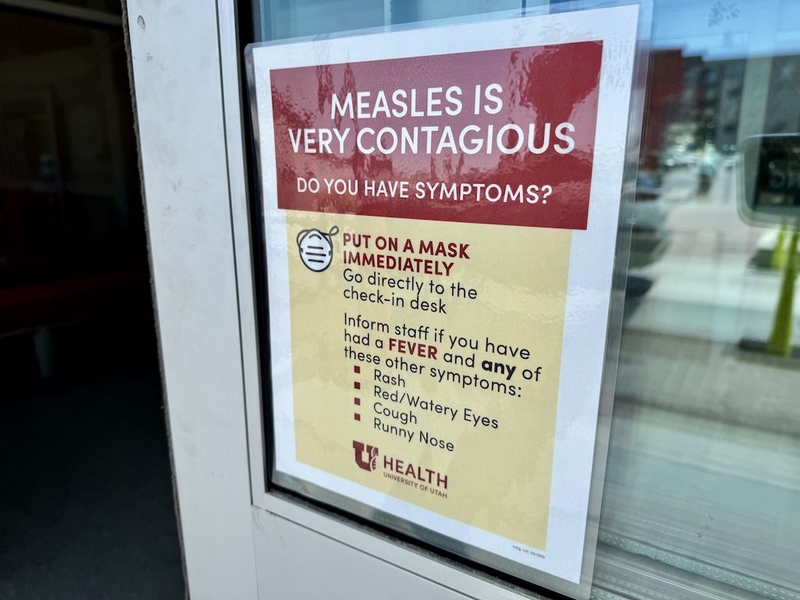
DHS Secretary Kirsten Johnson released a statement expressing deep sorrow for the family’s loss, emphasizing the tragedy of a vaccine-preventable death. “Any death of a child is a tragedy and even more so when it is related to a vaccine-preventable disease,” she said. “Measles can cause serious illness and death, and it is important for all Wisconsinites to evaluate their risk and take steps to protect themselves and their family.” The measles virus, known for its characteristic rash, typically begins with a fever, cough, runny nose, and red eyes before the rash appears several days later. The virus's airborne nature means it can linger in a room for up to two hours after an infected person has left.
Doctors recommend that children receive their first dose of the measles, mumps, and rubella (MMR) vaccine between 12 and 15 months of age. Recognizing the heightened risk to infants during an outbreak, DHS is now recommending that infants aged 6 to 11 months receive an early dose if they are at increased risk of exposure. “In an outbreak, when we know that an infant may be exposed to measles, there is a benefit to providing that protection earlier,” explained DHS chief medical officer and state epidemiologist Dr. Ryan Westergaard during a recent briefing. He stressed that the best protection for infants too young to be vaccinated is ensuring those around them are immune through vaccination. “The most important protection is making sure that the people around them are immune,” Westergaard said.
The majority of cases have been concentrated in Grant, Iowa, Lafayette, and Vernon counties, with additional cases linked to travel outside of state. Nine Wisconsinites have required hospitalization due to severe measles symptoms, and over 99% of the reported cases involve individuals who are unvaccinated. This highlights the critical role vaccination plays in preventing severe illness and death. The MMR vaccine is approximately 97% effective when administered according to the recommended two-dose schedule. Immunization Action Coalition
The current outbreak's severity is a departure from decades of progress in measles control, a success largely attributed to widespread vaccination. Dr. Westergaard noted, “That was an extraordinary public health achievement, but it wasn’t permanent and it wasn’t inevitable that we would have that success. It depended on doing the hard work of maintaining high levels of immunity in our communities.” The recent decline in vaccination rates, mirroring a national trend, is allowing measles to re-emerge. Factors contributing to this decline include vaccine hesitancy, misinformation, and disruptions during the COVID-19 pandemic.
News of the infant’s death has understandably sparked concern and anxiety within communities across Wisconsin. Parents are grappling with the reality of a disease once thought eradicated, and healthcare providers are working to address vaccine hesitancy and ensure adequate vaccine supply. The Wisconsin Policy Forum recently released a report detailing declining vaccination rates among schoolchildren, further exacerbating the risk of outbreaks. Wisconsin Policy Forum The report identifies several reasons for the declining rates, including an increased number of shots required for school enrollment, disruption and controversy surrounding COVID-19 vaccines, and an increase in personal conviction waivers.
The outbreak has particularly impacted families with young children and those with individuals at higher risk, such as pregnant women and those with compromised immune systems. Local health departments are working to provide education and resources to these vulnerable populations, emphasizing the importance of vaccination and preventative measures. The state is also offering the Vaccines for Children program to families who lack insurance or have inadequate coverage.
State health officials are urging all Wisconsinites to review their vaccination records and those of their families, utilizing the state’s online registry or consulting with their healthcare providers. The DHS has already distributed 2,000 doses of the MMR vaccine to local health departments in affected communities and has administered over 42,000 doses statewide since August 1st. Continued efforts to increase vaccination rates and improve public awareness are crucial to containing the outbreak and preventing further tragedies.
The death of an infant from measles is a heartbreaking illustration of what happens when we lose sight of the collective responsibility to protect our communities through vaccination. While individual choices regarding healthcare are personal, the consequences of declining vaccination rates extend far beyond the individual, impacting the most vulnerable among us – infants too young to be vaccinated and those with compromised immune systems. It's easy to become complacent when a disease seems distant, but this tragedy serves as a jarring reminder of the very real dangers that can resurface when immunity wanes. I believe it’s incumbent upon community leaders, healthcare providers, and families to have honest conversations about the risks and benefits of vaccination, grounded in scientific evidence and a commitment to the well-being of our neighbors. The strength of our families and communities depends on our willingness to prioritize the health and safety of all, especially those who cannot protect themselves. We need to support initiatives that make vaccination accessible and address the root causes of vaccine hesitancy with compassion and understanding.
Resources for Wisconsin residents include the Wisconsin Department of Health Services website DHS Website, local health departments, and healthcare providers. Residents can check their vaccination status through the state’s online registry or by contacting their medical provider. The CDC also provides comprehensive information on measles and vaccination CDC Website. The Wisconsin Policy Forum's report highlights the need to target students behind schedule in their vaccines, reduce personal conviction waivers, and rebuild trust with the public.
According to a Wisconsin Policy Forum report, the percentage of students in grades K-12 who have met all of Wisconsin’s minimum immunization requirements for schoolchildren is at a near-record low, 87.4% for the 2025-26 school year. This rate is up slightly from the previous year, but still much lower than the level that would provide population-wide protection against outbreaks of disease.
The death of an infant from measles is a tragedy that underscores the importance of vaccination and public health efforts. It serves as a reminder that while measles was once a common childhood infection, it can resurface when vaccination rates decline, putting vulnerable populations at risk. By working together and prioritizing vaccination, we can protect our communities and prevent future tragedies.
By Marcus Chen
By Katherine Langford
By Marcus Chen
By Katherine Langford